01
Modality-specific analytical strategy
Analytical control strategies shaped around LVV, AAV, and targeted LNP/RNA products, manufacturing stages and critical quality attributes.
Independent scientific consulting for cell and gene therapy programs — specializing in LVV, AAV and targeted LNP/RNA platforms, with NGS, digital PCR and qPCR at the center of analytical development.
01 / SPECIALIST CONSULTING
Independent scientific guidance across viral-vector, nanoparticle and RNA modalities—from assay concept through analytical readiness.
Analytical control strategies shaped around LVV, AAV, and targeted LNP/RNA products, manufacturing stages and critical quality attributes.
Sequencing strategy, library design considerations, quality controls, data interpretation and fit-for-purpose genomic characterization.
Target and primer/probe selection strategy, quantification workflows, reference controls, assay suitability and performance evaluation.
Risk-based gap analyses, feasibility planning, comparability considerations, troubleshooting and method-transfer readiness.
Proposed advisory services. Method design and technical assessment do not imply in-house laboratory testing, certified QC testing, or regulatory approval.
02 / THERAPEUTIC MODALITIES
Each modality brings unique matrices, biological risks and measurement challenges. Genometrion designs the analytical strategy around the product—not the other way around.

Genomic and molecular analytics for vector production and gene-modified cell therapies.
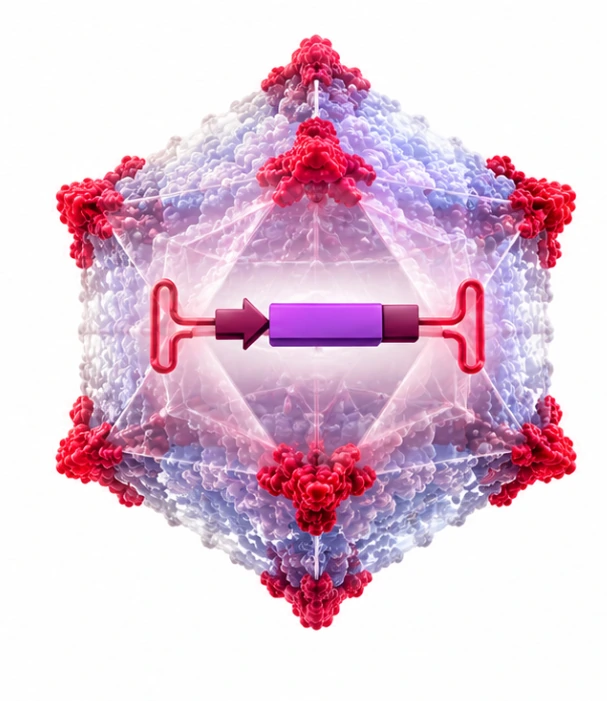
Assay strategies for genome titer, identity, packaged-genome integrity and product heterogeneity.
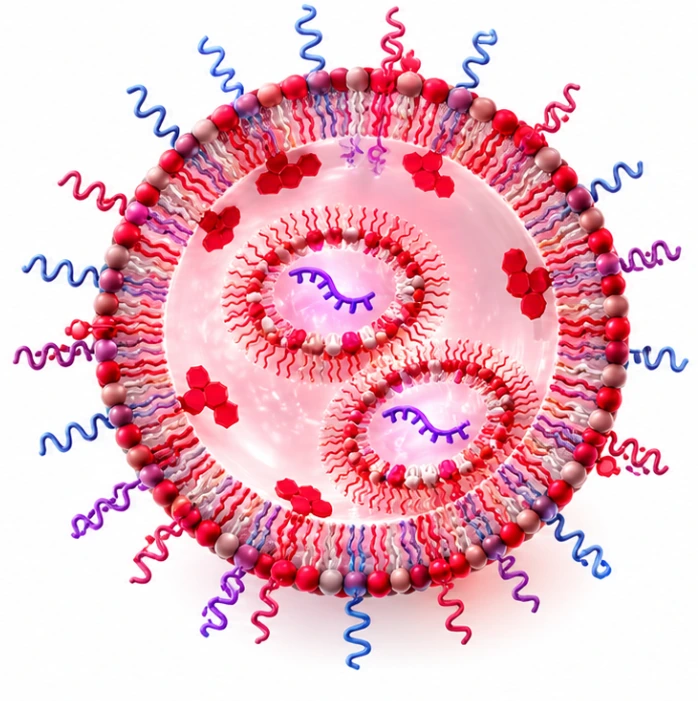
RNA-focused assays alongside an integrated view of delivery-related analytical attributes.
Scientific illustrations supplied for the website are conceptual, not molecular-scale or structurally validated depictions. Molecular assays complement—but do not replace—orthogonal methods for particle properties, encapsulation, lipid composition, or biological activity.
03 / ANALYTICAL PLATFORMS
Genomic methods are most useful when linked to a defined analytical question, suitable controls and a defendable interpretation framework.
Design considerations for targeted and broader sequencing strategies, sample preparation, coverage, assay controls, bioinformatics and data interpretation.
Fit-for-purpose strategies for absolute copy-number measurement, reference gene normalization, sample matrix effects and data-quality assessment.
Quantitative assay architecture, standard curve considerations, assay efficiency, target specificity, reverse-transcription design and inhibition controls.
Scientific charts above illustrate analytical principles only. They are not measured, generated or validated experimental data.
04 / METHOD DEVELOPMENT
An analytical blueprint that connects intended use, method selection, assay architecture, and lifecycle evidence.
Intended use, quality attribute, sample matrix, decision threshold
NGS, dPCR, qPCR or orthogonal methods for the analytical question
Targets, controls, sample preparation, readout and data analysis
Specificity, precision, accuracy, range, sensitivity and robustness as relevant
Document, troubleshoot, assess comparability and plan transfer readiness
Representative matches for scoping discussions; final platform choice depends on product, sample, stage and performance requirements.
| Modality | Analytical question | Candidate approach |
|---|---|---|
| LVV / engineered cells | Integrated vector copy number? | dPCR / qPCR |
| LVV / engineered cells | Where did vector integration occur? | Targeted NGS-based profiling |
| AAV | Vector genome titer? | dPCR / qPCR |
| AAV | What is the packaged genome sequence profile? | NGS-based characterization |
| tLNP / RNA | How much target RNA is present? | RT-qPCR / RT-dPCR |
| tLNP / RNA | How are lipid particles and encapsulation characterized? | Orthogonal physicochemical assays |
General frameworks such as ICH Q14 and Q2(R2) inform development and validation thinking; applicability and evidence requirements depend on the specific product, purpose and regulatory context.
05 / ABOUT GENOMETRION
Developing a cell or gene therapy requires more than a collection of tests. Analytical evidence must be connected to the product modality, its intended use and the decisions required at each stage of development.
Genometrion is being developed as an independent scientific consulting company centered on advanced therapies, genomic analytical development, and fit-for-purpose molecular method design.
Start with the quality attribute and intended use, then select the most informative measurement strategy.
Integrate genomic methods with complementary characterization, risk assessments and assay controls.
Documented rationale, study designs, controls, risks and next-step recommendations.
06 / HOW WE WORK
Modality-informed technical reviews, method-design engagements and strategic assessments for cell and gene therapy programs.
Define the product, quality attribute, analytical question, decision context and deliverables.
Evaluate technology fit, assay limitations, controls and performance evidence across relevant methods.
Provide a method-development roadmap, assay architecture or decision-ready technical assessment.
WHO WE AIM TO SUPPORT
07 / ENGAGEMENT FORMATS
Engagements can be scoped to a single technical decision or a broader analytical challenge. These are examples of potential deliverables, not completed client projects.
Focused design discussion covering intended use, analytical targets, critical controls and a development plan.
Potential output: assay design outlineCross-platform NGS / PCR method review, quality attribute mapping, suitability gaps and recommended follow-up studies.
Potential output: analytical gap reportA facilitated roadmap to align modality-specific assay priorities, development stages and transfer requirements.
Potential output: decision roadmapSCIENTIFIC CONTEXT
Method-development thinking can draw on the ICH analytical lifecycle framework and gene-therapy CMC guidance. Referenced material is general background, not a claim of certification or regulatory endorsement.
08 / CONTACT
From LVV vector-copy assays and AAV genome characterization to RNA-based therapeutics: begin with the scientific question your program needs answered.
The business enquiry channel is not active yet. This private preview will be updated with verified contact information before public launch.